Carbon Fiber Quality: Pre-Preg vs Wet Layup
Carbon fiber is the category with the biggest gap between what the listing SAYS and what shows up at your door. This guide closes that gap — the process checks, the heat science, and the fitment rules that keep you out of trouble.
Pre-preg vs wet layup — the only distinction that matters
Forget the weave pattern for a minute. How the resin gets into the fiber decides everything about quality:
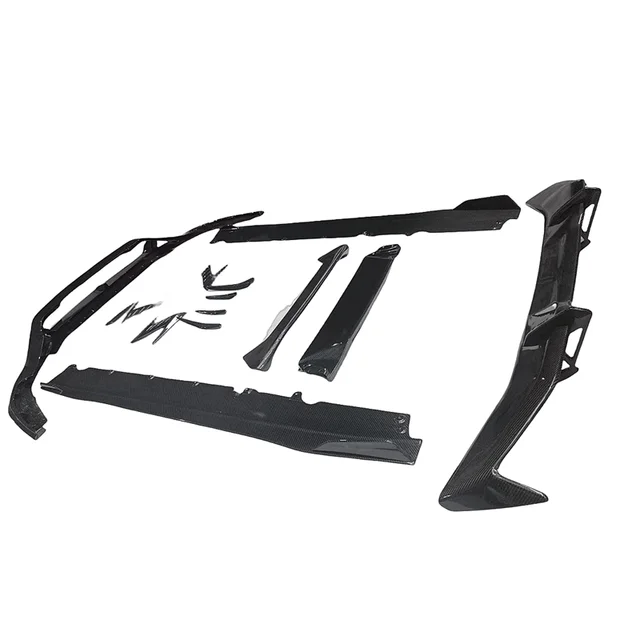
- Pre-preg (dry carbon). The fiber comes pre-impregnated with resin, then gets baked in an autoclave under heat and pressure. Maximum strength-to-weight ratio. The resin is formulated for high heat — which is why pre-preg is mandatory for anything near heat, like engine bay parts.
- Wet layup (wet carbon). Fiber laid by hand, liquid resin applied manually. Heavier, cheaper, and the resin softens at much lower temperatures. Park a wet-carbon part next to a turbo or in a heat-soaked engine bay and the resin softens, yellows, and can delaminate over time.
Weaves — what the patterns mean
- 2×2 twill. The classic diagonal pattern. Most common, structural and aesthetic. This is what most buyers picture as "carbon fiber."
- 1×1 plain weave. Tighter weave, stronger per weight, less visible pattern. More structural, less showy.
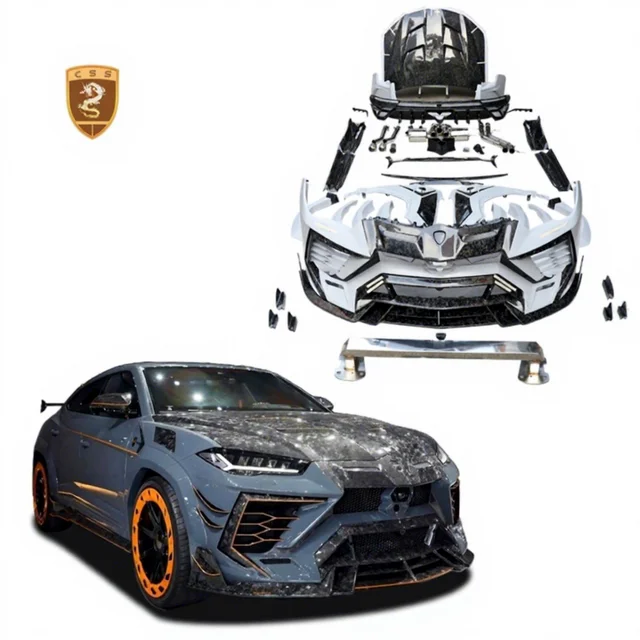
- Forged/chopped carbon. Marbled look, no weave pattern. Strong, modern aesthetic.
- FRP (fiberglass) — NOT carbon. Heavier, cheaper. Fine for budget body kits, but never sell it as carbon fiber. If the price looks too good for carbon, check.
UV yellowing — the complaint you can prevent
Wet-layup carbon without proper UV protection yellows in the sun. It's the #1 cosmetic complaint on cheap carbon parts. Before you list any exterior carbon:
- Ask: "Is the clear coat UV-protected? What UV stabilizer is used?"
- For hoods, trunks, and splitters that live in the sun, UV protection is non-negotiable. Get it confirmed in writing.
- Pre-preg parts are far more stable — another reason the good stuff costs more.
Fitment — the E9X rule and chassis discipline
Body kits live and die on fitment. Two rules:
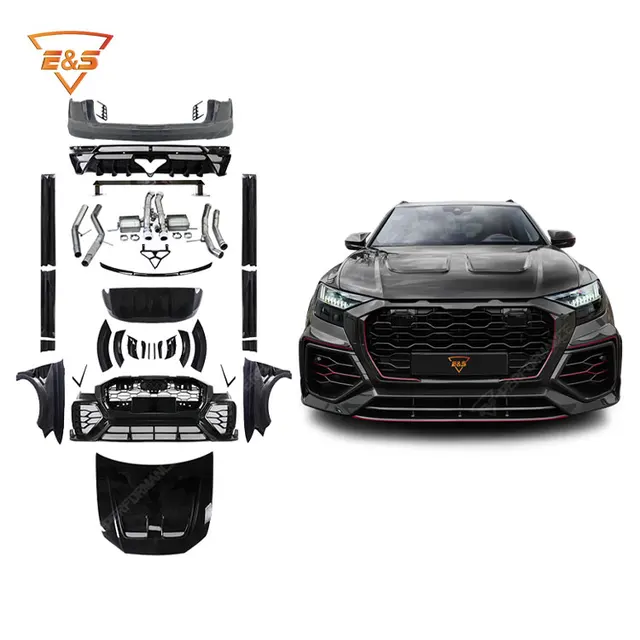
Pre-LCI vs LCI. Mid-cycle refreshes change grilles, headlight shapes, and bumper mounting clips. A pre-LCI bumper doesn't clip onto an LCI car. The supplier must specify exact chassis codes AND year ranges. "Fits BMW 3 Series" is not a fitment spec.
Supplier scripts — copy, paste, send
Carbon process verification:
"Is this part autoclave-cured pre-preg, or wet layup? Please describe the cure process. Is the clear coat UV-protected, and what UV stabilizer is used?"
Body kit fitment lock-in:
"Confirming fitment: chassis code [___], [pre-LCI/LCI], year range [___]–[___]. Does this include mounting hardware? Are any modifications (cutting, drilling) required for install?"
Engine-bay parts (heat check):
"This part sits in the engine bay. Confirm the resin system and that it's rated for continuous heat exposure — pre-preg only for this application."
Red flags
- "Dry carbon" with no cure process described. See above.
- No UV answer for exterior parts. It'll yellow, and the buyer will blame you.
- "Fits BMW 3 Series" with no chassis code or years. See above.
- Carbon price that makes no sense. Real pre-preg has a real cost. If it's cheap, it's wet layup or FRP wearing a carbon costume.
- Won't confirm specs in the Alibaba chat. If it's not written, it didn't happen.