Carbon fiber parts direct from the factory: real costs & quality grades
A brand-name carbon fiber hood runs $2,000–$4,000. A full body kit can hit five figures. Most of those parts come out of the same handful of factories — and direct, they cost a fraction. Here's what's real, what the quality grades mean, and how to buy without getting burned.
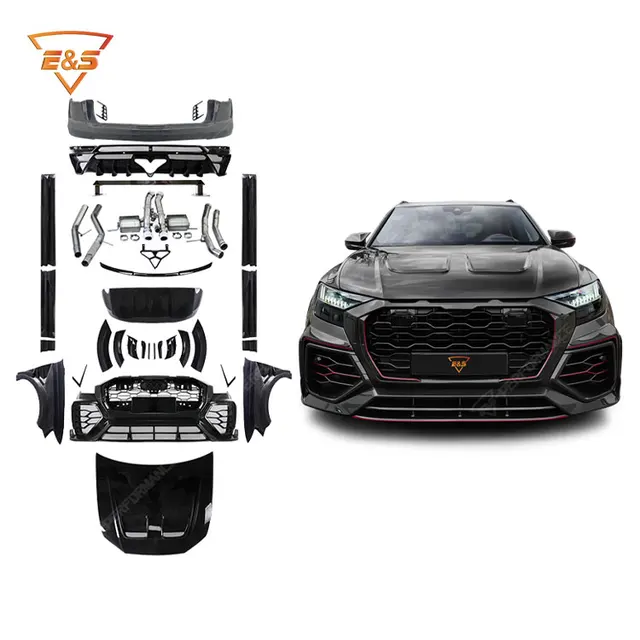
What carbon fiber really costs direct
| Part | Factory-direct | Brand retail |
|---|---|---|
| Front lip / splitter | ~$80–$300 | $500–$1,500 |
| Rear diffuser | ~$150–$500 | $800–$2,500 |
| Hood | ~$300–$900 | $2,000–$4,000 |
| Spoiler / wing | ~$100–$450 | $600–$3,000 |
| Full body kit | ~$800–$3,000 | $5,000–$15,000 |
Ranges vary by chassis, construction, and finish — but the gap between factory price and brand retail is consistent: 3x to 10x.
The quality grades that actually matter
Carbon fiber is the category with the biggest gap between what the listing SAYS and what shows up at your door. Forget the weave pattern for a minute — how the resin gets into the fiber decides everything:
- Dry carbon (pre-preg) — resin pre-impregnated into the fiber, then baked in an autoclave under heat and pressure. Maximum strength-to-weight ratio. The resin is formulated for high heat — which is why pre-preg is mandatory for anything near heat, like engine bay parts. The premium option; ask for it by name.
- Wet carbon — hand-laid carbon over a fiberglass (FRP) core with hand-saturated resin. Heavier, cheaper, fine for cosmetic parts. The catch: standard wet-layup resins have a low glass-transition temperature — park one next to a turbo or in a heat-soaked engine bay and the resin softens, yellows, and can delaminate over time.
- Forged (chopped) carbon — chopped fiber compression-molded. Marbled look, strong, no weave pattern. Modern aesthetic.
- FRP (fiberglass) — NOT carbon. Heavier, cheaper. Fine for budget body kits, but never sell it as carbon fiber.
Weaves and finishes
- 2x2 twill — the classic diagonal pattern. Most common, structural and aesthetic. What most buyers picture as "carbon fiber."
- 1x1 plain weave — tighter weave, stronger per weight, less visible pattern. More structural, less showy.
UV yellowing is the #1 cosmetic complaint on cheap carbon parts — wet-layup carbon without proper UV protection yellows in the sun. Confirm the clear coat is UV-resistant before you buy; cheap clear yellows in a year. The full science is in our carbon fiber quality guide.
Fitment: match the exact chassis code
A "G80 M3" lip does not fit an F80. Confirm the chassis, year range, and bumper type — then:
- Ask for real photos of your part — production photos, not renders. Check weave alignment at edges and curves.
- Start with one cosmetic part — a lip or diffuser, not a $2,500 kit — and inspect the fit before ordering bigger.
- Budget for shipping — body panels ship oversized; a hood can add $100–$300 freight.
Body kits & widebody: materials and prep
| Material | Notes |
|---|---|
| FRP (fiberglass) | Cheapest; usually needs sanding, filling and paint. |
| PP / ABS plastic | More flexible and often better fitting; common for OEM-style kits. |
| Carbon fiber | Lightest and most expensive; check the weave and clear coat. |
Expect bodywork — most widebody kits need fender cutting and professional fitting. You will need wider wheels and tires; plan fitment first. Ask for photos of the kit fitted on a real car, ask which hardware and brackets are included, and inspect for cracks on delivery before signing. Large panels usually ship by sea freight or in oversize boxes — ask for the packed size and weight. More in our widebody & aero guide.
How to buy carbon fiber direct (safely)
- Match your exact chassis code — not just the model name.
- Ask for real production photos, not renders.
- Confirm UV-resistant clear coat — cheap clear yellows in a year.
- Start small — one cosmetic part first, inspect, then scale up.
FAQ
How much do carbon fiber parts cost direct from the factory?
Factory-direct: front lips $80–$300, rear diffusers $150–$500, hoods $300–$900, spoilers $100–$450, full body kits $800–$3,000 — versus $2,000–$10,000 under a brand. The gap is a consistent 3x to 10x.
What's the difference between dry carbon and wet carbon?
Dry carbon (pre-preg) is resin pre-impregnated fiber cured in an autoclave — lightest, strongest, stable near heat. Wet carbon is hand-laid fiber over a fiberglass core with hand-applied resin — heavier, cheaper, fine for cosmetic parts, but the resin can soften, yellow and delaminate with heat and UV.
Why does cheap carbon fiber turn yellow?
Wet-layup carbon without proper UV protection yellows in the sun — the #1 cosmetic complaint on cheap carbon parts. Confirm the clear coat is UV-resistant before you buy.
Do widebody kits fit perfectly out of the box?
Rarely. Plan on a body shop for fitting and paint. Most widebody kits need fender cutting and professional fitting, plus wider wheels and tires.
Is FRP the same as carbon fiber?
No. FRP is fiberglass — heavier and cheaper. Fine for budget body kits, but never sold as carbon fiber. If the price looks too good for carbon, check.