Exhaust systems direct from the factory: what they actually cost
A brand-name valvetronic catback runs $2,000–$4,000. The same mandrel-bent stainless — often from the same factory — costs $400–$900 direct. This guide covers the real pricing, the materials and welds that separate good pipe from junk, downpipes, valved systems, and how to buy direct safely.
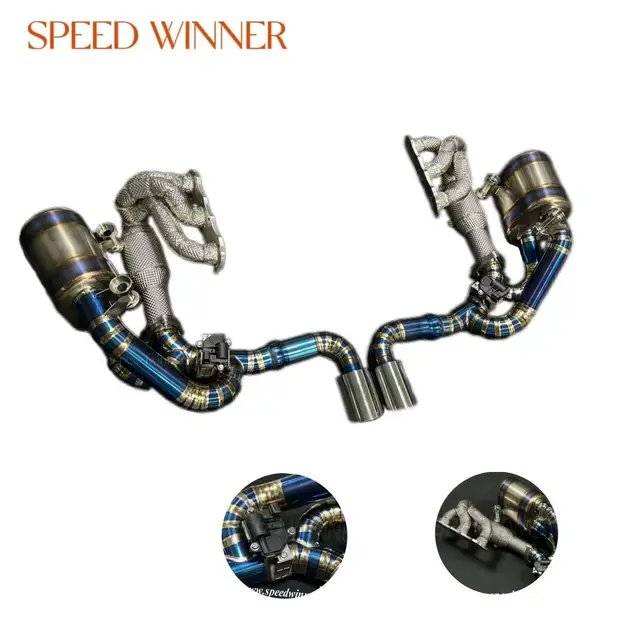
What exhaust systems really cost direct
| Type | Factory-direct | Brand retail |
|---|---|---|
| Axleback (SS304) | ~$120–$300 | $600–$1,200 |
| Catback (SS304) | ~$250–$600 | $1,200–$2,500 |
| Valvetronic catback | ~$400–$900 | $2,000–$4,000 |
| Titanium catback | ~$700–$1,500 | $3,500–$6,000+ |
The metal: 304 vs the bait-and-switch grades
The difference between a $400 exhaust and a $1,400 exhaust is usually three things: the metal, the welds, and the design. Here's the stainless lineup:
- 304 — the industry standard. 18% chromium, 8% nickel. Corrosion-resistant, welds well, sounds right. The minimum acceptable grade for any performance exhaust worth selling.
- 316 — marine grade. Better than 304 on paper, overkill for most exhausts — but premium if offered at a sane price.
- 321 — the turbo-manifold answer. 304 can suffer weld-zone cracking at sustained turbo-manifold temperatures; 321 adds titanium so the chromium stays free to protect the metal. For turbo manifolds and high-heat sections, 321 is the engineering-correct grade.
- 409 — the budget grade. Cheaper, and it WILL develop surface rust. Never sell it as a premium system.
- 201 — the bait-and-switch grade. The lowest tier. Rusts fast. This is what shows up when a supplier quotes 304 and ships something cheaper. Your contract should name 304 explicitly.
Full metal breakdown in our exhaust metallurgy guide (304 vs titanium vs Inconel).
What separates good exhaust from junk
- Mandrel bends — smooth radius, no crush. Crush bends kill flow.
- TIG welds — look for consistent stacked beads in product photos. Cheap stainless welded without argon back-purging suffers internal oxidation ("sugaring"), which is why budget downpipes crack at the welds.
- Valvetronic — confirm the controller type (OEM valve integration vs remote fob).
Valvetronic exhausts: how they work
A valvetronic exhaust uses valves that open for sound and close for quiet cruising. Vacuum or electric actuators open and close a flap in the muffler or pipe. Some kits plug into the car's own valve control; others use a remote, a switch, or a phone app. Ask the supplier which method their kit uses and whether it works with your car's factory drive modes.
Noise laws are real. Many places limit exhaust noise, and some check it at inspection. A valved exhaust helps you stay quieter when needed, but it does not make a loud system legal. Check your local rules. More in our valvetronic buying guide.
Downpipes: catted vs catless
The downpipe is the first section of exhaust after the turbo — one of the most popular bolt-ons for turbocharged cars. A catted downpipe keeps a catalytic converter (usually a high-flow unit). A catless pipe removes it.
Before buying a downpipe: confirm the exact engine code and model years (not just the model name), ask for photos of the turbo-side flange and mid-pipe connection, check whether O2 sensor bungs match your car, and ask if heat shields or a flex section are included. Expect a tune to be required on many modern cars. Full checklist in our downpipe buying guide.
How to buy an exhaust direct (safely)
- Confirm exact fitment — chassis, engine, single vs dual exit, OEM valve wiring if valvetronic.
- Request material certs and weld photos of your actual unit before shipping.
- Check local noise and emissions rules — some systems are off-road only where you live.
- Budget freight — full catbacks ship bulky; $80–$200 typical.
FAQ
How much does a catback exhaust cost direct from the factory?
Factory-direct SS304 catbacks run $250–$600 versus $1,200–$2,500 under a brand. Valvetronic catbacks run $400–$900 direct versus $2,000–$4,000 branded, and titanium catbacks $700–$1,500 direct versus $3,500–$6,000+ branded.
Is 304 stainless steel worth it over 201 for an exhaust?
Yes. 304 is the industry standard minimum — corrosion-resistant and welds well. 201 is the bait-and-switch grade that rusts fast. If a supplier won't confirm 304 in writing, walk away.
Are catless downpipes street legal?
In the US, removing a factory catalytic converter from a road vehicle violates federal law, and most other countries have similar rules. Catless pipes are for off-road or competition use. If the car is road-registered, buy catted.
Do I need a tune after installing a downpipe?
On many modern turbo cars, yes. Without one you can get check-engine lights or poor running. Check with a tuner for your platform.
Do valvetronic exhausts need a tune?
Usually not for a cat-back, but it depends on the car. Ask the supplier and a tuner for your platform.