Forged Wheel Metallurgy: 6061 vs 7075
The difference between a wheel supplier who knows their product and one reading you a brochure is three things: the alloy grade, the fitment numbers, and whether they'll put both in writing. Here's how to read a wheel spec sheet like an engineer.
Forged vs flow-form vs cast — the real hierarchy
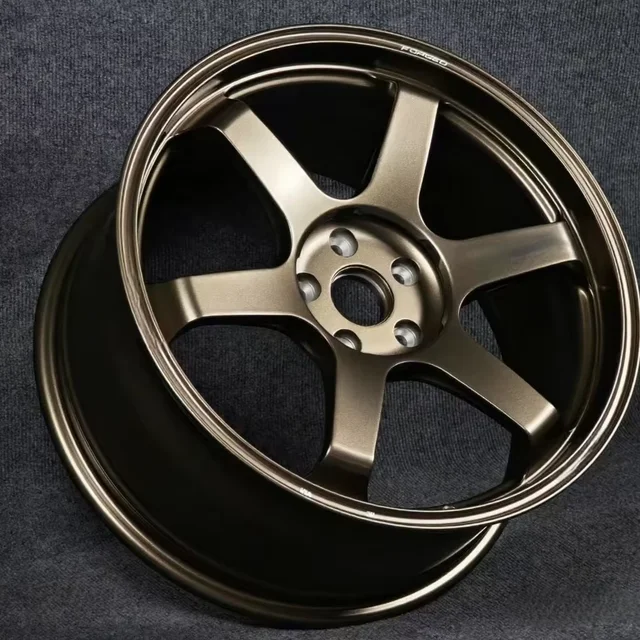
Forget marketing words. There are three ways to make a wheel, and the difference is how the metal gets its strength.
- Forged (monoblock or multi-piece). A solid cylinder of aluminum pressed under ~10,000 tons. The grain structure compresses and aligns — that's where the strength comes from. Strongest, lightest, most expensive.
- Flow-formed. A cast blank spun while rollers stretch and compress the barrel. Better than plain cast, not as good as forged. The honest middle ground — great value for street cars.
- Cast. Molten aluminum poured into a mold. Cheapest, heaviest, weakest of the three. Fine for daily driving at the rated load — not what you sell to someone tracking their car.
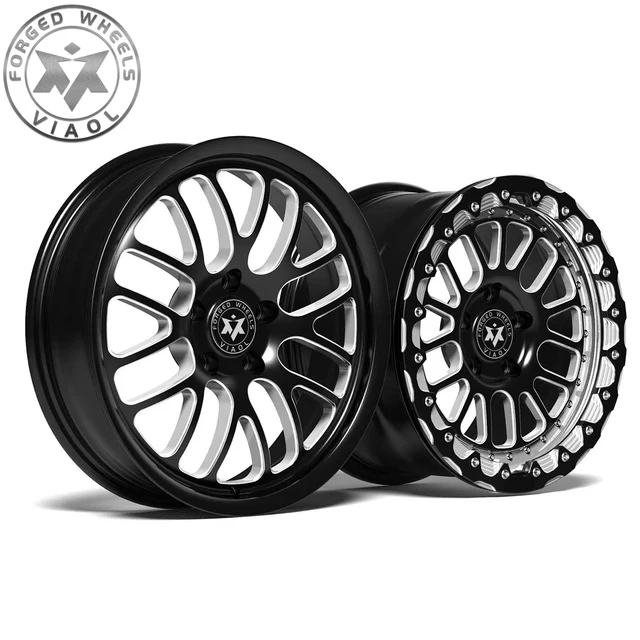
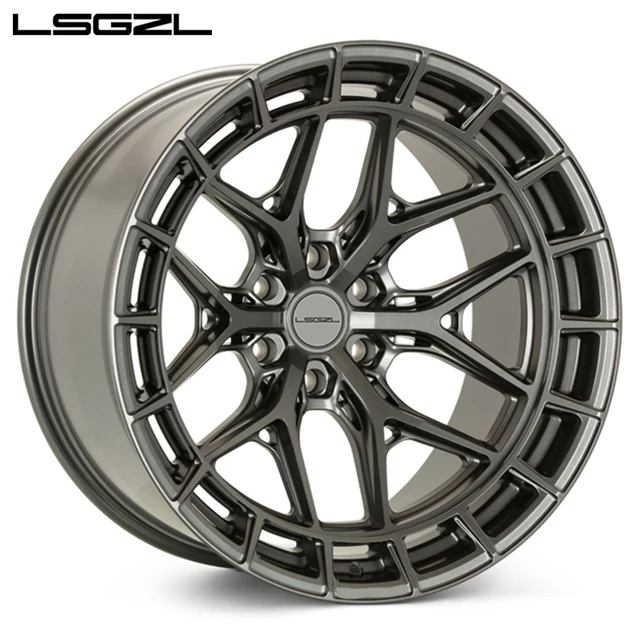
6061-T6 vs 7075-T6 — the spec sheet trap
This is the one that separates people who know wheels from people who read brochures.
6061-T6 is the honest standard for forged wheels. Good strength, excellent corrosion resistance (road salt is real), and it can be welded and repaired. Every serious forged-wheel maker uses it for a reason: a wheel is a fatigue-and-corrosion part, not a pure strength part. It survives potholes year after year.
7075-T6 is ~84% stronger on paper. Sounds better. Here's the catch: it's worse at resisting corrosion without coating, and you basically can't weld-repair it — it cracks. A bent 7075 barrel is scrap. A bent 6061 barrel can often be fixed.
Fitment — PCD, center bore, offset, X-factor
You cannot sell wheels without this. Four numbers, that's it.
- PCD (bolt pattern). The circle the lug holes sit on. BMW is 5×120. Get this wrong and the wheel physically doesn't bolt on. Non-negotiable.
- Center bore (CB). The big hole that centers the wheel on the hub. BMW hub bore is 72.56mm. If the wheel's bore is bigger, you need hub-centric rings — without them the wheel vibrates at speed. If it's smaller, it doesn't fit at all.
- Offset (ET). How far the mounting face sits from the wheel's centerline, in mm. Too low = pokes past the fender. Too high = tucks in and rubs the suspension.
- X-factor. The clearance behind the wheel face for big brake calipers. This is the one that kills deals: PCD, bore, and offset can all be right, and the wheel still won't clear a big brake kit.
Magnesium — know what you're holding
Some suppliers offer forged magnesium wheels. Lighter than aluminum with excellent vibration dampening. The trade-offs are real: more brittle, and if the protective coating gets chipped, corrosion starts fast. These are race/track wheels, not daily-driver wheels. Price and sell them accordingly — and make sure the buyer knows what they're getting into.
Supplier scripts — copy, paste, send
Alloy verification:
"Can you confirm the exact alloy grade of this wheel in writing — 6061-T6 forged, 7075, or cast A356? And can you share a photo of your forging press?"
Fitment confirmation:
"Confirming fitment for [year] [make] [model] [trim], chassis code [___]. PCD [___], center bore [___]mm, offset range [___]. Will this clear the factory brake calipers, and what is the X-factor?"
Finish/coating (for 7075 or any coated wheel):
"What coating process is used, and what is the warranty against corrosion / clear-coat failure?"
Red flags
- "Aircraft grade aluminum" with no grade number. 6061 and 7075 are both "aircraft grade." The phrase means nothing without the number.
- "Forged" with no press photo. See above.
- 7075 bragging with no mention of coating. See above.
- "Universal fitment." There's no such thing. PCD is PCD.
- Won't confirm specs in writing. If it's not in the Alibaba chat, it didn't happen.